
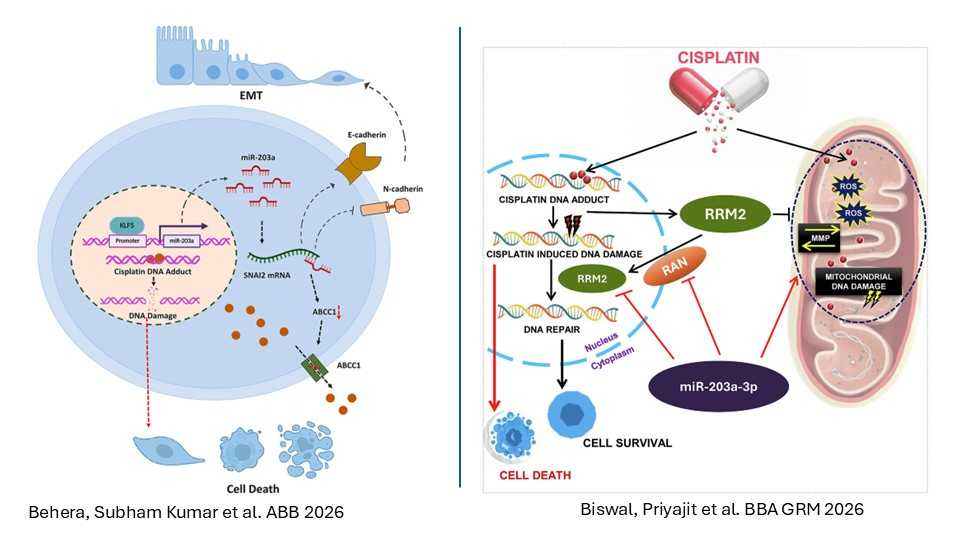
It is now believed that non-coding RNAs (ncRNAs), such as microRNAs (miRNAs), lncRNAs and
piwi-interacting RNAs (pIRNAs) are promising rheostats of gene regulation as they target significant
substantial fraction of the genome.
...
The dysregulation of these ncRNAs represent distinct molecular signature and even contributes to the
pathogenesis of numerous diseases, such as cancers, neurodegenerative diseases and many more. Some of
these ncRNAs are even reported to function as oncogenes or tumor suppressor genes. Our research is
focused on identifying and functionally characterizing ncRNA or methylated ncRNA (eg. m⁶A-modified
miRNAs) biomarkers that can improve the early detection, risk stratification, and prognosis of cancer,
especially oral, breast and liver cancer, etc.
The differential expression patterns of ncRNAs play crucial role in the development and progression of
various carcinomas. Our team also investigates the interplay between ncRNAs and their targets by
integrating transcriptomic profiling and analysis, target analysis (reporter assays), methylation
studies (bisulfite sequencing) and functional gain- and loss-of-function studies using plasmid-based
overexpression and siRNA/CRISPR based inhibition/knockdown strategies, predict key
epigenome–ncRNA-mRNA regulatory circuits, and other molecular biology techniques, all in an effort to
aid in diagnosis, prognosis and treatment of some of these cancers.
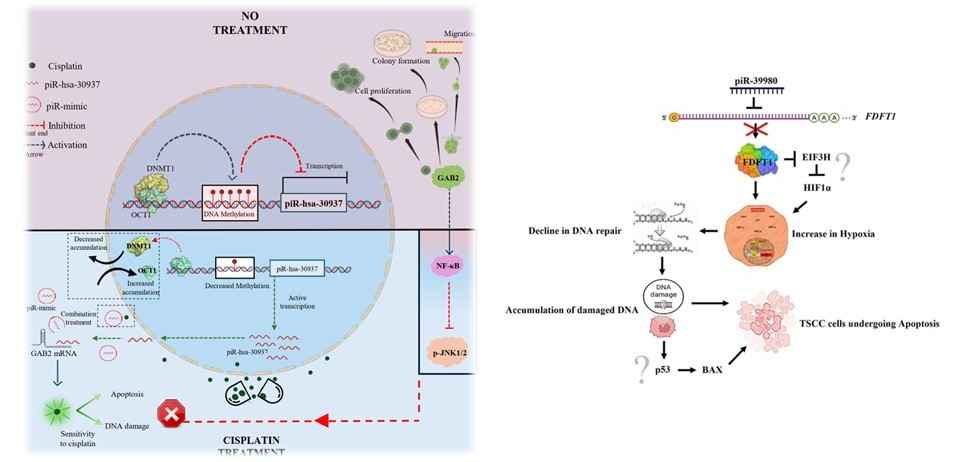
Major obstacle in modern oncology is the rise of chemoresistance, the inherent or acquired ability of cancer cells to evade the cytotoxic effects of anticancer drugs. ... Upon chemotherapy, cancer cells remodel ncRNA pool to reprogramme gene expression to adapt and evade the therapeutic stress. Our research employs comprehensive suite of state-of-the-art molecular, genomic, and proteomic approaches including RNA sequencing (RNA-seq), chromatin immunoprecipitation (ChIP-qPCR, ChIP-seq), Methylation specific PCR (MSP), Liquid Chromatography–Mass Spectrometry (LC-MS), luciferase reporter assays etc. By integrating these modern molecular and high-throughput technologies, we aim to decipher ncRNA(piRNA)-mediated regulatory network that drive cancer cells to chemoresistance and implement strategies to restore drug sensitivity and improve clinical outcomes.
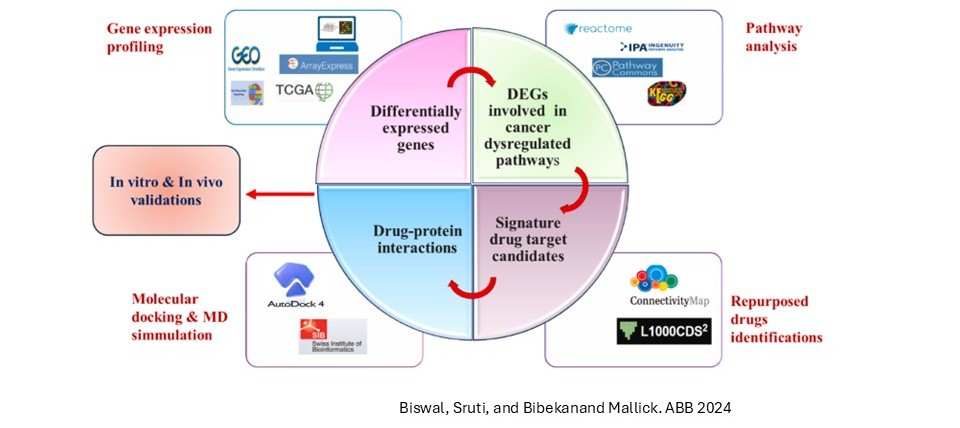
Drug repurposing offers an efficient alternative approach to identify new therapeutic applications for existing approved and investigational drugs with established safety profiles. ... Our research harnesses transcriptomic and non-coding RNA signatures, to identify compounds capable of reversing disease-associated molecular phenotypes of cancer. By integrating gene expression profiling, miRNA expression, sequence-based and structure-based profiling, we systematically identify network pharmacology to reverse the effect of these molecular drivers. Candidate compounds are subsequently evaluated in vitro and in vivo to decipher their function, validate their targets to accelerate their translational usage.
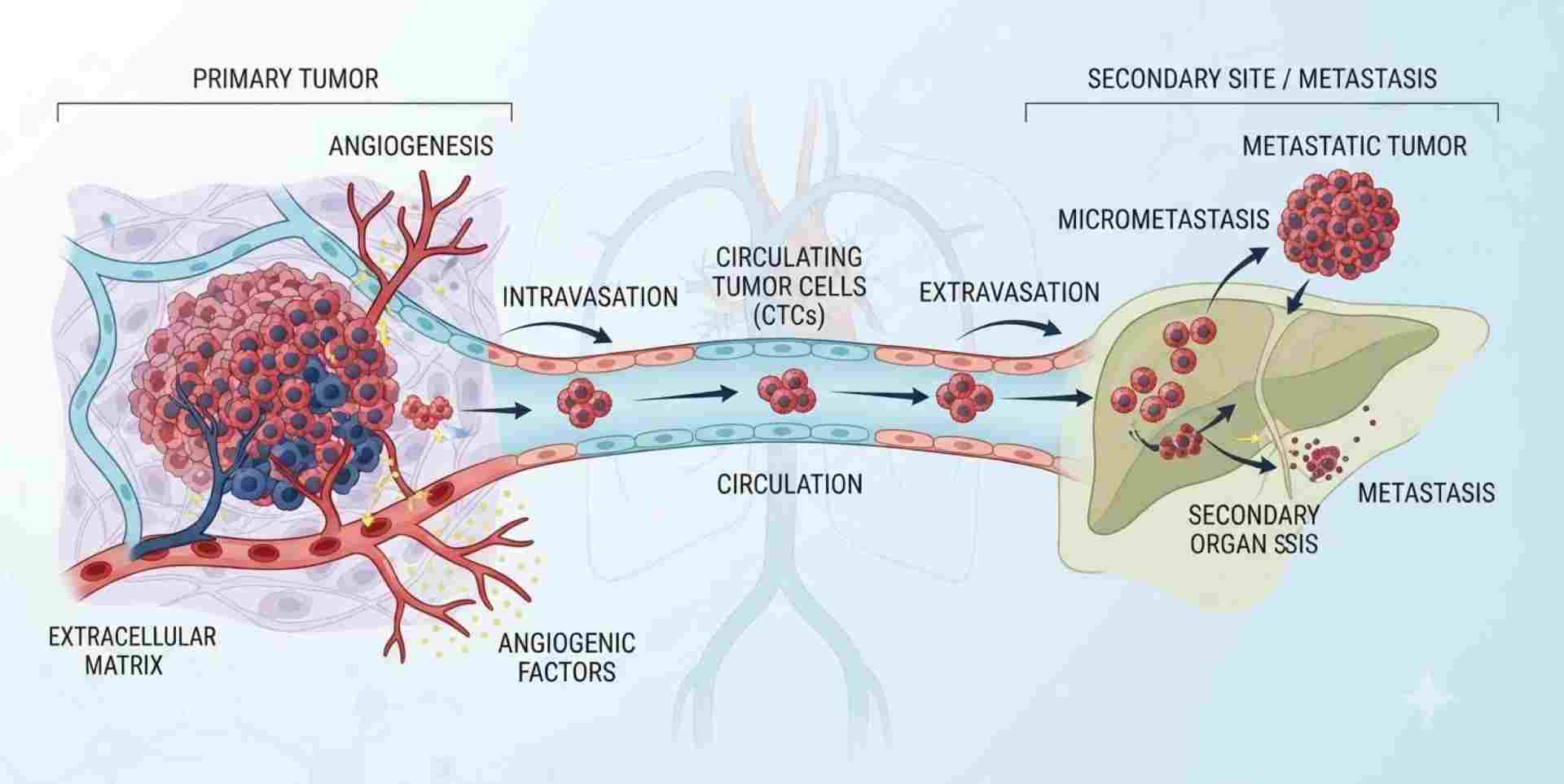
Metastasis is another major challenge that limit cancer therapy. The rates and routes of spread of cancer are poorly understood owing to a lack of molecularly characterized patient cohorts... ... lack of correlation between clinical features of primary and secondary cancer, and lack of correlation between genomic features, such as differential expression of ncRNAs, and target genes in primary and secondary tumor. We propose to decrypt signature ncRNAs that dictate the susceptibility of a cancer to develop a secondary cancer, its route and site of developing secondary tumor. We propose to use high-throughput methodologies, expression profiles from relevant NGS studies, clinical features of tumor and develop a model that will help to understand how the cancer cells spread from the primary site to the secondary site through the process of metastasis.
Funding Source: Council of Scientific and Industrial Research (CSIR) | Role: Principal Investigator
Funding Source: Anusandhan National Research Foundation (ANRF) | Role: Co-Principal Investigator
Funding Source: Ministry of AYUSH | Role: Principal Investigator
Funding Source: ICMR | Role: Principal Investigator
Funding Source: DBT | Role: Principal Investigator
Funding Source: ICMR | Role: Co-Principal Investigator
Funding Source: DST | Role: Principal Investigator
Funding Source: DST | Role: Mentor
Funding Source: CSIR | Role: Principal Investigator
Funding Source: DST | Role: Mentor
Funding Source: DBT | Role: Principal Investigator
